

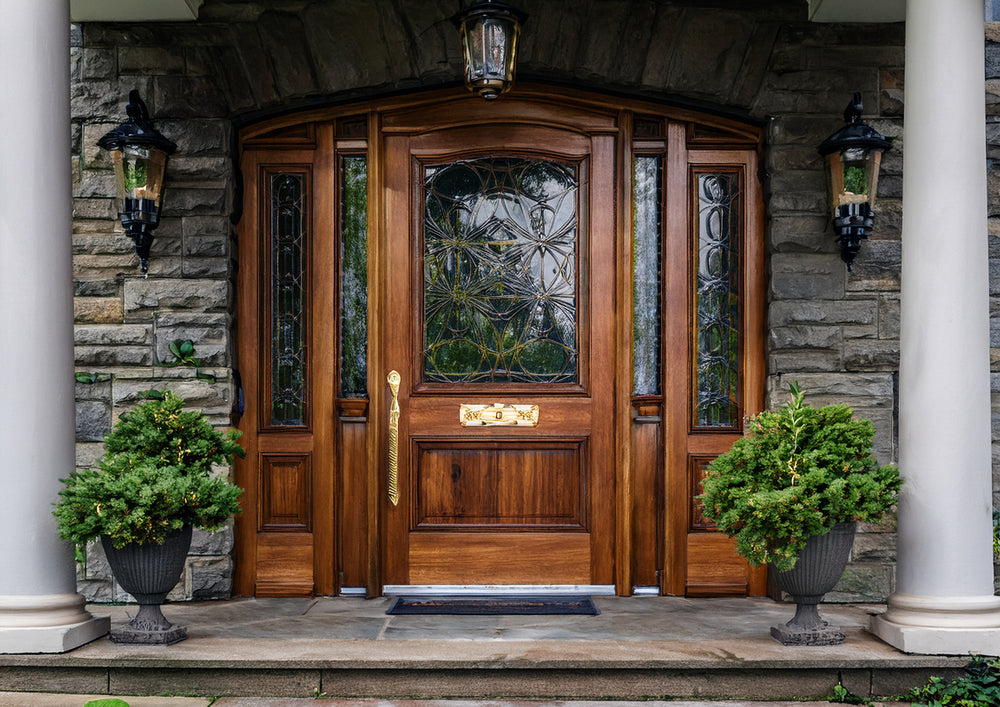
Learn How to Repurpose Old Wooden Doors | Doors Direct

Repurposing Interior Wooden Doors: Ideas for Characterful Homes
Old wooden doors can bring a lot of warmth and character into a home, even after they have stopped serving their original purpose. With the right idea, an old interior door can become a decorative feature that adds texture to a space without feeling overdone.
Repurposing old wooden doors can be a rewarding way to bring character into your home. A door that is cracked, warped, swollen, or no longer closes properly may still have beautiful timber, panels, or detailing, but it may not be the best choice for an active doorway anymore. Here are some ideas of what you can do with a door that is no longer able to consistently perform its original purpose.
A Quick Note Before We Get Into the Ideas
These ideas are intended for readers with some DIY experience. While a repurposed wooden door can look effortlessly stylish once finished, the process usually involves a fair bit of sanding, sealing, repairs, and mounting. If you are not an experienced DIY-er, the Doors Direct team recommends that you avoid damage and/or injury by getting professional help if the project involves heavy lifting, wall mounting, glass, or uncertain fixings.
Start by Checking Whether the Door Is Worth Reusing
Before turning an old interior door into something new, spend a little time checking whether it is still in good enough condition for the project you have in mind. A door that looks charming and quaint at first glance may have hidden issues that make it unsuitable for certain uses.
Start with the basics. Is the door straight, or has it started to warp? A slightly imperfect door may still work beautifully as wall decor or a rustic headboard, but a badly warped door can be more difficult to mount, balance, or use as a tabletop. If the timber is twisted, bowed, or pulls away at the corners, it may be better to use only part of the door rather than the full piece.
Also check for signs of moisture damage. Soft patches, swelling, flaking timber, dark staining, or a musty smell can all suggest that the wood has been affected by damp. This does not always mean the door has no use at all, but it does mean you should be cautious, especially if you are planning to bring it into a bedroom, study, kitchen, or living area.
Pay attention to the joints, panels, and any glass sections too. Loose panels can sometimes be repaired, but cracked glass, unstable frames, or splitting timber should be dealt with. If the door feels fragile when you lift it or move it, it may be safer to turn smaller sections into decorative features instead of using it as a large freestanding or wall-mounted piece.
The finish matters too. Very old painted wooden doors need careful handling, particularly if you plan to sand them down. If you are unsure what type of paint or coating was used, rather get professional advice before stripping, sanding, or cutting into the surface on your own.
In some cases, replacement may be the better option. Consider replacing the door if:
- It is severely warped, bowed, or no longer sits properly in the frame.
- It is swollen, rotten, or visibly damaged from moisture.
- The timber is split, fragile, or structurally unstable.
- It no longer opens, closes, or latches reliably.
- The repair work would be more difficult or costly than choosing a suitable replacement door.
Need a Second Opinion Before You Start?
Repurposing an old wooden door can be a great idea, but only if the door suits the project you have in mind. A door that works well as wall decor may not be strong enough for shelving. A door with beautiful panels may still be too warped for a tabletop. And if the doorway itself still needs a reliable solution, replacing the door may be the more practical choice.
If you are weighing up whether to reuse, repair, or replace an interior wooden door, get in touch with the Doors Direct team for guidance (or more ideas) before you commit to the project.
Idea: Turn an Old Wooden Door Into a Headboard
Turning an old wooden door into a headboard is a strong decor idea. The door already has the shape, scale, and surface detail needed to create a focal point behind the bed. Panelled doors, carved doors, and doors with a slightly weathered finish will work especially well here, depending on the style of the room.
A natural timber door can add warmth to a bedroom, particularly when paired with simple linen, neutral walls, and softer textures. A painted wooden door can feel more cottage-style, vintage, or playful, depending on the colour and level of distressing. If the door has moulded panels or carved details, those features can become part of the room’s overall character without needing much extra effort on your part.
Before mounting the door, make sure it is clean, stable, and safe to place near the bed. Any rough edges should be smoothed, loose panels should be secured, and old hardware should either be removed or intentionally incorporated into the look.
For a more polished finish, consider adding a clear sealant, repainting the door, or lightly sanding and refinishing the surface. The best approach depends on the condition of the timber and the look you want. Some doors look better when their age is visible, while others benefit from a cleaner finish that ties in with the rest of the bedroom. It really all depends on the aesthetic you are after.
Idea: Repurpose a Wooden Door as a Tabletop or Desk Surface
A solid wooden door can make a striking tabletop, desk, or work surface. If the door has a generous size, good proportions, and a finish that suits the room, it is likely a perfect candidate for repurposing into a desk or tabletop.
A smooth door is ideal, as it can sit neatly on trestle legs, metal frames, or custom supports. That’s not to say that a panelled door can’t also work, but the recessed sections may make the surface uneven. In that case, a glass top can help create a level working surface while still allowing the detail of the door to show through.
Before using a door as a tabletop, make absolutely sure that it is strong enough to handle daily use. It should not flex too much, split under pressure, or have loose sections that shift when weight is placed on it.
Keep in mind that a table or desk surface needs to be both comfortable to use and easy to clean. Rough timber, flaking varnish, peeling paint, or exposed splinters should be addressed first.
Idea: Turn a Door Into Shelving, Hooks, or an Entryway Feature
An old wooden door can become a practical feature by utilising it as a backing board for shelves, hooks, or small storage details. Doors that have interesting panels or a solid timber look will work especially well for this application. It can become a coat rack in an entrance area, a towel hook feature in a guest bathroom, or a decorative backing for shelves in a kitchen or study. A mirror can also replace the panels of the door, turning the door into a full-length, unique dressing area feature.
The key here is to keep the additions simple. If the door already has texture, panels, or a strong finish, extra fittings could make it feel cluttered. A few sturdy hooks, one or two shelves, or a single mirror will often be more than enough. Conversely, using a door with a plainer style or colour can work too, but in that case, it might be better to further accessorise it, so that the result feels considered and not just upcycled purely for the sake of it.
As with any wall-mounted piece, weight and fixing points are very important to get right. A heavy wooden door needs to be secured properly, especially if you plan to use it as shelving or hang everyday items from it. The wall, brackets, screws, and fixings should all be suitable for the load. If you are unsure, it is worth getting help with installation (or even just a second opinion) rather than relying on guesswork alone.
Idea: Create a Characterful Coffee Table
If you spend enough time in the woodworking corners of Reddit, you will eventually run into the old-door-turned-coffee-table idea. In fact, repurposing wooden doors into coffee tables has become such a familiar project in those communities that it has taken on a bit of a life of its own.
And to be fair, there is a good reason people keep coming back to it. An old wooden door already has many of the qualities you need for a coffee table. It has size, structure, surface area, and often some built-in character.
The main thing to get right is the surface. Coffee tables need to be usable, not just interesting to look at. A coffee table should also sit comfortably with the seating around it, so choose your base with the final height in mind.
Know When to Repurpose and When to Replace Your Wooden Doors
Not every door is worth reusing. Some wooden doors will not be suitable to repurpose as a decorative feature. Before you start planning where your old door could go, it helps to take a closer look at its condition, weight, finish, and overall structure to determine whether it is a good candidate for repurposing.
Frequently Asked Questions About Repurposing Wooden Doors
Can old wooden doors be repurposed?
Yes. Old wooden doors can often be repurposed into headboards, coffee tables, desks, shelving units, decorative wall features, mirrors, and other home décor items. Before starting any project, check that the door is structurally sound and free from significant moisture damage, rot, or instability.
When should a wooden door be replaced rather than repurposed?
A wooden door should generally be replaced if it is severely warped, swollen, rotten, split, or no longer functions reliably as a door. While some damaged doors can still be used for decorative projects, a replacement door is often the safer and more practical solution when structural integrity has been compromised.
Can hollow-core doors be used for DIY projects?
Yes, but hollow-core doors are usually best suited to lightweight decorative applications such as wall décor, room dividers, or headboards. For projects that require strength and durability, such as desks, shelving, or tabletops, solid-core wooden doors are typically a better choice.
What type of wooden door is best for repurposing?
Solid timber and solid-core interior doors are generally the best options for repurposing because they offer greater strength, durability, and refinishing potential. Panelled and carved wooden doors can also create attractive decorative features thanks to their built-in detail and character.
Do I need to sand and refinish an old wooden door before repurposing it?
Not always. Some homeowners prefer to preserve the aged appearance of an old wooden door. However, sanding, sealing, repainting, or refinishing may be necessary if the surface is rough, damaged, splintered, or affected by peeling paint or varnish.
Is it safe to use an old wooden door as furniture?
It can be, provided the door is structurally sound and properly prepared for its new purpose. Any loose joints, unstable panels, damaged timber, or cracked glass should be repaired before the door is used as a desk, table, shelving unit, or other functional item.
Where can I buy replacement interior wooden doors in South Africa?
Doors Direct offers a wide range of interior wooden doors, including solid-core doors, moulded doors, carved doors, and other stylish door options. With nationwide delivery available, our team can help you select the right replacement door for your home or project.
Ready to Buy, or Need Advice on Wooden Doors?
If the door is still strong and stable, it may be worth turning it into something functional. If it has seen better days, more decorative uses can still give the timber a new purpose. But if the doorway itself needs a fresh, reliable solution, choosing a new interior door may be the more practical route.
Not sure whether to reuse, replace, or start fresh with a new wooden door? Get in touch with the Doors Direct team for friendly guidance on interior door options for your space. You can also browse our range of interior doors here.