

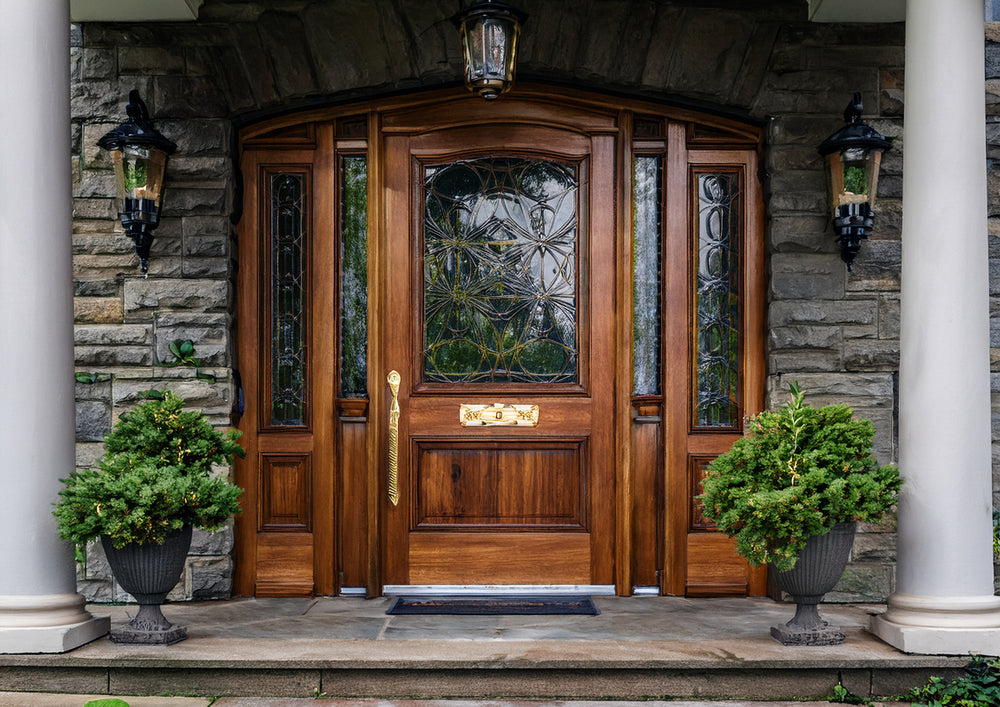
Top Wooden Door FAQs Before You Buy

A wooden door seems like a straightforward purchase until you need to choose one for a specific space. Then the practical questions start to matter. Can it be used outside? Does it need to be sealed? What causes swelling or sticking? Can it be trimmed to fit?
Wooden doors are durable, attractive and practical, but in order to provide the most value, they need to be suited to the right location and cared for properly. Moisture, sunlight, ventilation, installation quality and ongoing maintenance can all affect how well a door performs over time.
This guide answers some of the most common questions that homeowners and tenants ask before buying, fitting or maintaining wooden doors, with practical guidance on choosing the right option, sealing, storage, trimming, maintenance and ordering online.
What Homeowners Usually Want To Know First About Wooden Doors
Most wooden door questions come down to one practical issue: where the door will be used.
A bedroom door, front door, back door and patio door may all be made from timber, but they do not all need to handle the same conditions. An interior wooden door may mainly need to offer privacy, suit the style of the home and handle everyday opening and closing, whereas an exterior wooden door has a lot more to contend with. It may be exposed to sun, rain, wind, humidity, temperature changes and regular use from outside.
Before choosing a wooden door, think about the doorway itself. A sheltered entrance, a sunny outside wall, a damp courtyard and a busy internal passage can each place different demands on the door. The more clearly you understand the location, the easier it becomes to choose a suitable product and prepare for fitting, sealing and maintenance.
What to Ask Before Buying a Wooden Door
- Is the door for interior or exterior use?
- Will it be exposed to direct rain, strong sun, wind or moisture?
- Does the space need privacy, natural light or extra security?
- Is the existing frame still square and in good condition?
- Have you checked the height, width and thickness of the existing door?
- Will the door need to be sealed, painted or varnished before use?
- Who will measure, trim, fit and finish the door?
Are Wooden Doors Suitable for Both Interior and Exterior Use?
Yes, wooden doors can be suitable for both interior and exterior use, but the important detail is that not every wooden door is suitable for every location.
Interior Wooden Doors
Interior wooden doors are made for internal spaces such as bedrooms, bathrooms, passages, studies and living areas. These doors are usually chosen for privacy, room separation and appearance. They are not usually designed to handle direct exposure to rain, harsh sunlight or major changes in outdoor temperature and humidity.
For that reason, an interior wooden door should not be installed outside unless the product is specifically suitable for exterior use.
Exterior Wooden Doors
Exterior wooden doors are designed for outside-facing openings such as front doors, back doors and certain covered patio or veranda areas. They need to cope with more demanding conditions, especially where the door may be exposed to sun, rain, wind, humidity or moisture.
An exterior wooden door still needs to be properly sealed, fitted and maintained. Even a suitable exterior door can develop problems if it is left unfinished, poorly stored, incorrectly installed or exposed to moisture through unsealed edges.
Choosing the Right Door for Your Location
Before ordering a wooden door, check whether it is intended for interior, exterior or semi-exterior use. Then think about the actual position of the doorway. A sheltered entrance, a sunny west-facing wall and a damp back courtyard can place very different demands on the same material.
Choosing the right door for the location is one of the simplest ways to avoid issues such as swelling, cracking, warping, sticking or premature wear.
What Type of Wooden Door Should I Choose for My Home?
There are many different types of wooden doors, and the best wooden door for your home depends on where it will be fitted and what you need it to do each day. Before choosing based on style alone, think about the door's location, the condition of the frame, the level of privacy needed and whether the door will be exposed to sun, rain, wind or moisture.
For bedrooms, passages, studies and other internal spaces, an interior wooden door is usually the practical choice. These doors are generally selected for privacy, appearance and everyday use inside the home.
For front entrances, back doors and outside-facing openings, the door needs to be suitable for exterior use. These areas may need a door that can handle more frequent use, stronger hardware, changing weather conditions and a proper exterior finish.
If you want more natural light, a wood-and-glass door may be suitable, depending on where it will be installed and how much privacy you need. Clear glass, obscure glass and different panel layouts can all affect how the door works in the space.
A new wooden door also needs a suitable opening. If you are replacing an existing door, do not assume the current size is standard or that the frame is still square. Check the height, width and thickness carefully, and ask an experienced installer to assess the opening if you are unsure.
Tip for tenants: check with your landlord, body corporate or managing agent before replacing, trimming, painting or altering a door. This is especially important for exterior doors, front entrances and doors that affect security or the appearance of the property.
Need Help Choosing the Right Wooden Door?
Overwhelmed by choice? We are here to help. Simply get in touch with our team and we will gladly help you find the right door for your space.
Do Wooden Doors Need To Be Sealed?
Yes, wooden doors should be properly sealed before installation, especially if they will be used outside or in areas exposed to moisture, humidity or temperature changes.
Wood is a natural material, which means it can absorb and release moisture depending on its surroundings. Sealing helps protect the door by slowing down moisture movement and reducing the risk of swelling, cracking, warping or surface damage. It also helps the door's finish last longer.
All surfaces should be sealed, including the front, back, top, bottom and side edges. The top and bottom edges are easy to overlook because they are not visible once the door is fitted, but they still need protection. If moisture enters through an unsealed edge, the timber may react unevenly.
If the door is trimmed during fitting, the newly cut edge must also be sealed before the door is hung or used. This is especially important for exterior wooden doors and doors used in moisture-prone areas such as bathrooms, kitchens, laundries or covered outdoor spaces.
The right finish depends on the door, where it will be used and the look you want. Some doors may be painted, varnished, stained or sealed with a suitable timber treatment. Before applying any finish, check the product information and care guidance so the door is treated correctly for its intended use.
Why Do Wooden Doors Swell, Stick or Warp?
Wooden doors can swell, stick or warp because timber reacts to moisture, humidity and temperature changes. This is more likely when a door is not properly sealed, has exposed edges, is stored incorrectly or is used in a location it was not designed for.
Swelling often happens when timber absorbs moisture from the air or from direct exposure to rain or damp conditions. You may notice this after heavy rain, during humid weather or in areas of the home that do not ventilate well. A door might start rubbing against the frame, catching near the floor or becoming harder to lock because it has expanded slightly.
Sticking can also be caused by issues around the door, not only by the door itself. Loose hinges, a shifted frame, uneven flooring or too many layers of old paint can all affect how smoothly a wooden door opens and closes. A carpenter or installer can usually tell whether the issue is with the door, frame, hardware or surrounding structure.
Warping is more serious. It can happen when different parts of the door are exposed to different conditions, or when moisture enters one area more than another. For example, one face may get strong sunlight while the other stays cooler and shaded, or an unsealed top or bottom edge may allow moisture to enter unevenly.
A swollen or sticking wooden door does not always mean the door needs to be replaced. Minor seasonal movement can often be managed with proper adjustment, improved ventilation, careful sanding or resealing. However, severe warping, rot, cracking or repeated swelling should be assessed properly, especially if the door no longer closes or locks securely.
How Should a Wooden Door Be Stored Before Installation?
A wooden door should be stored flat in a dry, well-ventilated area before installation. It should not be left outside, placed against a damp wall, stored in direct sunlight or left leaning upright for an extended period.
Poor storage can cause problems before the door is even fitted. If a wooden door is left standing on edge, exposed to damp conditions or stored where one side is affected differently from the other, it may start to move, bow, swell or warp. Once that happens, the door may no longer sit neatly in the frame.
The safest approach is to place the door flat on a level surface, with support underneath so it is not resting directly on the floor. Keep it away from rain, damp floors, wet walls and strong sunlight. Building sites and renovation spaces can also hold more moisture than expected, especially after plastering, screeding or painting.
If your door arrives before your installer is ready, make sure there is a suitable place to store it until fitting. Correct storage after delivery helps protect the door before it is trimmed, sealed, altered or installed.
Can a Wooden Door Be Trimmed to Fit?
Many wooden doors can be trimmed slightly during installation, but only within reasonable limits. Trimming is usually done to make small adjustments to the fit, not to turn the door into a completely different size.
This is why accurate measuring matters before you order. If a door is only slightly too large, a carpenter, builder or experienced installer may be able to adjust it. If it is far too big for the opening, trimming too much can affect the door's structure, appearance and long-term performance.
Any trimmed edge must be sealed properly before the door is hung or used. Once timber is cut, the fresh edge is exposed, which can allow moisture to enter if it is left untreated. This is especially important for exterior wooden doors and doors used in bathrooms, kitchens, laundries or other moisture-prone areas.
It is usually best to leave trimming to a professional. They can check the frame, hinges, floor level and clearances before removing any material. A door that catches at the bottom, for example, may not always need to be trimmed. The issue could be a loose hinge, a shifted frame or an uneven floor.
How Do I Maintain a Wooden Door?
A wooden door does not need complicated maintenance, but it does need regular attention.
This is especially true for exterior wooden doors, or any door exposed to moisture, strong sun, wind, coastal air or high humidity.
Start by looking at the finish. If the paint, varnish or sealant is starting to crack, peel, fade, dry out or lose its protective layer, the timber may be more exposed to moisture and weather damage. When this happens, the door may need to be cleaned, lightly prepared and resealed, repainted or revarnished with a suitable product.
Pay close attention to the edges. The top, bottom and side edges of a wooden door are easy to overlook, but they are often where moisture can get in. If the door has been trimmed, make sure the cut edge has also been sealed properly.
How often you need to maintain or reseal an exterior wooden door depends on the level of exposure, the weather conditions and the finish used. A door protected by a deep overhang will most likely not need as much attention as one that is exposed to rain, harsh afternoon sun or damp conditions.
Cleaning should be gentle. Use a soft cloth and avoid harsh chemicals or abrasive cleaning tools unless the product instructions specifically allow them.
Hinges, locks and handles should also be checked from time to time. Loose hinges, stiff locks or misaligned handles can affect how smoothly the door opens and closes, and may place unnecessary strain on the door if left unresolved.
Are Wood-And-Glass Doors Practical?
Wood-and-glass doors can be very practical when you want a wooden door that brings natural light into a space. They are often used for entrances, kitchens, passages, living areas, patios and covered veranda openings, depending on the door design and where it will be installed.
The main benefit is light. Glass panels can brighten a room or entrance without needing to leave the door open. This can be useful in darker areas of the home, or where you want some visual connection between spaces.
Privacy is worth thinking through before you choose the door. Clear glass may work well for a living area or covered patio, but it may not suit an entrance that faces the street. Patterned, obscure or frosted glass may be a better fit where privacy is a concern, depending on the door design and what is available.
For exterior use, the door still needs to be suitable for the location. A wood-and-glass door used outside should be properly sealed, fitted and maintained, and the glass, frame, locks and any security requirements should be considered together.
Maintenance also includes the areas around the glass. Check the beads, joints and finish from time to time, especially on exterior doors. If moisture gets in around the glass, it can affect the surrounding timber.
What Affects the Price of a Wooden Door?
The price of a wooden door can vary because the term "wooden door" covers many different products. A simple internal door, a solid entrance door, a wood-and-glass door and a wider sliding door system will not often sit in the same price range.
Construction is one of the main factors. Some wooden doors are designed for interior use, while others are made for exterior or semi-exterior applications. An exterior wooden door often needs to handle tougher conditions, so the materials, construction and finishing requirements can affect the overall cost.
Design detail can influence the price too. Glass panels, decorative mouldings, carved details, sidelights, pivot designs and folding or sliding mechanisms can all add to the cost.
When comparing wooden doors online, look beyond the listed door price. Hardware, locks, handles, hinges, frames, delivery, sealing, painting, varnishing and installation may need to be budgeted for separately. This gives you a more realistic idea of what the full project may cost before you order.
What Should I Check Before Buying a Wooden Door Online?
Buying a wooden door online can be straightforward, but it helps to check the practical details before you order. A door needs to suit the opening, the location and the way it will be used, so the more accurate your information is upfront, the easier it is to choose a suitable option.
Check the Measurements
Start with the measurements of your existing door. Check the height, width and thickness, and look carefully at the frame and opening too. Older homes are not always perfectly square, and a door that seems like the right size may still need adjustment during fitting.
If you are unsure, ask a carpenter, builder or experienced installer to measure before you order. Doors Direct does not offer site measurement services, so accurate measurements need to be confirmed before purchase.
Check Where the Door Will Be Used
Before choosing a wooden door, confirm whether it is intended for interior, exterior or semi-exterior use. This is especially important if the door will be exposed to direct sun, rain, wind, humidity or moisture.
A door that looks right on screen may not be suitable for the conditions in your home. Product suitability matters as much as style, particularly for outside-facing openings.
Understand What Is Included
Check the product information carefully so you know what is included with the door and what may need to be ordered separately. Depending on the product, handles, locks, hinges, frames, glass, finishing or other hardware may not be included.
If the product page mentions pre-dipping, sealing, painting or varnishing, read that information closely. You need to know what still has to be done before the door is installed and used.
Plan for Delivery, Storage and Installation
Once the door is delivered, check it as soon as possible. Make sure the size and style are correct, and inspect it for visible damage before it is trimmed, sealed, altered or installed.
If there is any issue, report it before making changes to the door. Once a door has been trimmed, sealed, fitted or altered, it can be much harder to resolve a delivery or product concern.
You should also arrange a suitable storage area before the door arrives. A wooden door should be stored flat in a dry, well-ventilated place, away from direct sunlight, rain, damp walls and damp floors. If your installer is only available later, proper storage will help protect the door until fitting.
Will Doors Direct Install My Wooden Door?
No. Doors Direct supplies doors, windows and related products, but we do not offer installation or site measurement services. Customers need to arrange their own carpenter, builder or installer to measure, fit, trim, seal and hang the door.
This is worth arranging before you order, especially if you are replacing an existing wooden door. An installer can help check whether the frame is square, whether the floor level has changed, whether the door needs a new frame, and whether the chosen hardware will work with the door.
For exterior wooden doors, fitting and finishing are especially important. If the door is trimmed during installation, any cut edges should be properly sealed before the door is hung or used.
When Should I Repair a Wooden Door, and When Should I Replace It?
A wooden door is often worth repairing if the problem is small, localised and not affecting the basic function of the door. Minor sticking, loose hinges, worn handles, tired paintwork, surface scratches or small areas of weathered finish can usually be assessed and fixed without replacing the whole door.
Repair may also make sense if the timber is still sound. For example, a door that rubs slightly against the frame may need hinge adjustment, careful sanding, resealing or attention to the frame. A door with a dull or peeling finish may need proper preparation and a fresh coat of paint, varnish or sealant.
Replacement becomes more likely when the door has serious structural or moisture-related damage. Severe warping, rot, deep cracking, soft timber, major swelling, repeated water damage or a door that no longer closes and locks securely should be taken seriously.
The door's purpose matters too. A worn internal cupboard door is very different from a front door that no longer closes properly. If the wooden door affects security, weather protection or privacy, it is worth getting a carpenter, builder or experienced installer to assess it before deciding what to do next.
For tenants, check with the landlord, body corporate or managing agent before repairing, trimming, painting or replacing a wooden door. The property owner may need to approve the repair method, replacement style, finish or installer.
Frequently Asked Questions About Wooden Doors
Do I need to seal a wooden door before installation?
Yes. Wooden doors should be properly sealed before installation, especially if they will be used externally or in areas exposed to moisture, humidity or temperature changes. Naturally, if the door is trimmed during fitting, the newly cut edge must also be sealed before the door is used.
Can I use an interior wooden door outside?
No, not unless the door is specifically suitable for exterior use. Interior wooden doors are generally not designed to handle direct sunlight, rain, humidity or outdoor temperature changes.
Why has my wooden door swollen after rain or humid weather?
Wood is a natural material and can absorb moisture from the air or through direct exposure to water. If a door is not properly sealed, or if its edges are left exposed after trimming, moisture can enter the timber and cause swelling.
Can a wooden door be trimmed to fit?
Many wooden doors can be trimmed slightly during installation, but only within reasonable limits. Trimming should be done by a carpenter, builder or experienced installer.
How should I store my wooden door before installation?
A wooden door should be stored flat in a dry, well-ventilated area, away from direct sunlight, rain, damp walls and damp floors.
Does Doors Direct install wooden doors?
No. Doors Direct supplies doors, windows and related products, but we do not offer installation or site measurement services.
What information should I send before ordering a wooden door online?
If you are unsure which door to order, send Doors Direct the height, width and thickness of the existing door, photos of the opening and details of where the door will be used.
Are wooden doors waterproof?
No. Wooden doors should not be treated as fully waterproof. Exterior wooden doors can be durable and long-lasting, but timber still needs protection from moisture and weather exposure.
How often should I maintain or reseal an exterior wooden door?
This depends on the level of exposure, the weather conditions and the finish used.
What should I check before accepting delivery of a wooden door?
Make sure the size and style are correct, inspect it for visible damage, and store it correctly until installation. If there is any issue, report it before the door is trimmed, sealed, altered or installed.
Need Help Choosing the Right Wooden Door?
Choosing the right wooden door is much easier when you know where it will be used, how exposed it will be and what size the opening requires. If you are unsure which option to order, get in touch with our team before making your purchase.
To help us guide you, please send the height, width and thickness of the existing door, along with clear photos of the opening and frame. It also helps to include a short note explaining whether the door will be used inside or outside, and whether it will be exposed to direct sun, rain, wind, humidity or moisture.
With those details, our team can help point you towards a wooden door that is better suited to your space before you order.