

Exterior Door Trends & Design Ideas for 2026

Top Exterior Door Design Trends in 2026
Exterior doors need to provide your space with security, privacy, and protection from the elements. They play a key role in the overall look and feel of a space. For many homeowners, renovators, builders, and designers, the front door is both a design feature as well as a mechanism through which to secure the entrance of a building.
Exterior doors trends for 2026 lean towards warmth, clean lines, natural texture, and a strong sense of presence at the entrance. There’s a clear preference for doors that feel considered, welcoming, and well-matched to the architecture of the space the door is a part of.
We’ll be exploring the top exterior door design trends and styles that are dominating both modern and more traditional South African spaces.
Why Exterior Doors Are Getting More Design Attention in 2026
Exterior doors are being chosen with far more design intention than ever before. People are paying much closer attention to how the entrance shapes the first impression of their homes, both from the street and from the moment someone steps inside. With how popular it’s become to show off on social media, it’s no wonder that people are paying closer attention to the spaces they inhabit, and what the entrances to these spaces look like.
The Most Popular Types of Exterior Doors in 2026
A well-chosen exterior door gives a space more presence. They are one of the significant ways to add character and flair to a space without having to make structural changes to it. These are some of the most popular types of exterior doors in 2026:
Statement Entrances: From Flashy to Character-Driven
Statement exterior doors are still very much part of the design conversation in 2026. The emphasis is on entrances that have character through scale, material, and thoughtful detailing.
There is a growing appreciation for detail that feels authentic to the style of the space. In a more contemporary setting, that might mean a bold timber grain, a darker finish, or a crisp glazed element. In a more traditional home, character may come through panelled designs, carved front doors, or a door style with a stronger sense of craftsmanship.
Pivot Doors as a Means To Modernise a Space
Pivot doors are highly popular for their strong visual impact and clean architectural feel. They have a vastly different presence from standard hinged front doors.
Pivot doors are versatile enough to suit the design direction of many spaces. They create a striking entrance without relying on heavy ornament or overly decorative detailing. In other words, they make a statement through form rather than fuss.
Glass Is Being Used More Intentionally
Exterior doors that incorporate glass are increasingly being used to improve light, soften the look of the entrance, and create a stronger connection between inside and out. Even a relatively small amount of glass can drastically change the mood of an exterior door.
Dark Neutrals and Earthy Tones Are Dominating the Colour Direction
Colour is shaping the look of exterior doors in a massive way in 2026. Shades like charcoal, black, deep bronze, and natural wood tones are all in vogue in a big way.
The reason these colours work so well is that they suit a wide range of architectural styles. Darker aluminium finishes complement modern spaces with clean lines and a more minimal palette, while natural timber tones bring warmth and texture to both contemporary and traditional exteriors.
Natural Timber Remains A Popular Choice
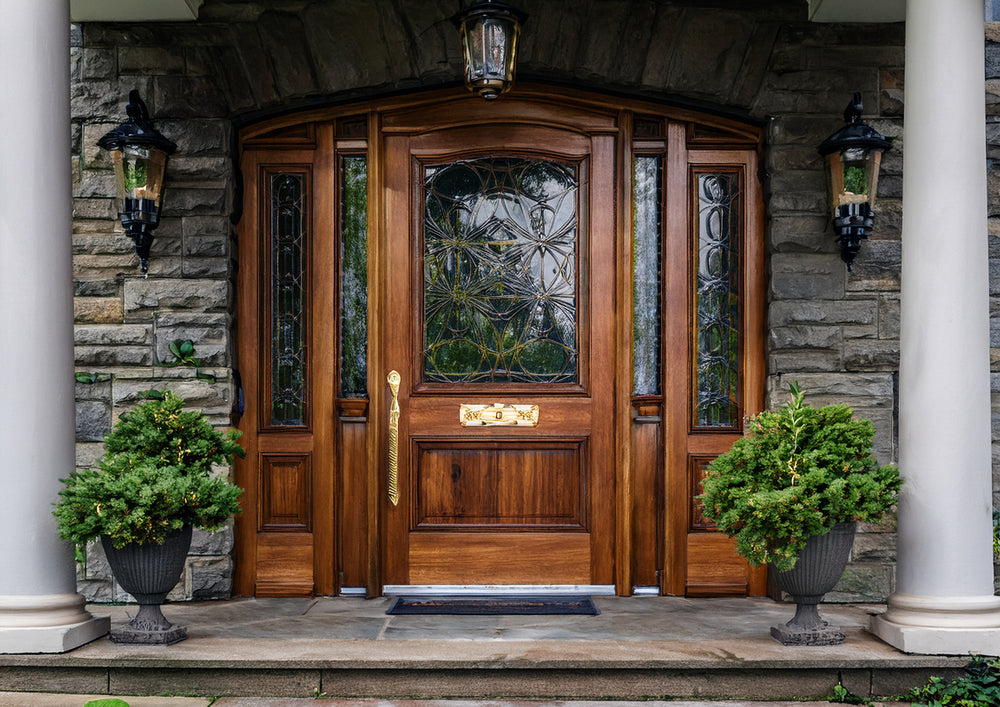
In 2026, many exterior doors are making their impact through material alone. Timber exterior doors add depth in ways that flatter, colder finishes often cannot. The grain, tone, and slight variation in the material help create an entrance that feels more inviting and more visually balanced.
For homeowners who want that warmth, Meranti doors remain as an appealing option. Meranti suits a wide range of architectural styles and works well in designs that aim to feel timeless.
Minimalist Design Feels Warmer Now
Minimalism is still a major influence in 2026, but the look has evolved. Early 2000s minimalism was defined by strict, monochromatic, and cold, polished surfaces. This has shifted toward "warm minimalism" in recent years, which tends to utilise natural materials like wood, matte stone, and concrete to add and emphasise texture and richness of spaces. A simple door design can have real presence when the scale is right, the material has character, and the finish suits the rest of the space.
Exterior Doors Should Still Suit The Architecture
The strongest design choices are the ones that respond to context. A sleek aluminium door may work beautifully in a contemporary setting with clean lines and large glazed areas, but the same look may feel awkwardly sharp and jarring in a space that uses more traditional proportions and finishes.
How To Choose an Exterior Door That Will Age Well
Design trends fade in and out of popularity, and a good exterior door should ultimately still suit the space once these tastes begin to shift. This is why things like material, proportion, and context matter just as much as what feels current right now.
One of the simplest ways to make a trend timeless is to choose a style that already fits the architectural direction of the space. Warm timber finishes, clean aluminium lines, glazed details, and larger-format entrances can all work beautifully, but they are bound to have far more staying power when they feel connected to the façade rather than imposed on it. The exterior door that suits a home naturally will always outlast the one chosen purely for its impact.
The most successful choices are the ones that balance style with everyday considerations such as light, privacy, maintenance, and exposure to the elements. Here’s a handy table that you can use to determine what aspects to consider when choosing an exterior door.
| What to consider | Why it matters | What usually works well |
|---|---|---|
| Architectural style | A door should feel like part of the space, not a separate design statement | Match cleaner lines to contemporary spaces and warmer, more detailed finishes to traditional ones |
| Material | Material shapes both the look and the long-term feel of the entrance | Timber adds warmth and texture, while aluminium suits a sharper, more modern finish |
| Use of glass | Glass affects light, privacy, and the visual weight of the door | Choose glazed elements that feel balanced and purposeful rather than excessive |
| Colour and finish | Colour plays a large role in how trend-driven or lasting a door feels | Dark neutrals, natural timber tones, and earthy finishes tend to age well |
| Scale and proportion | A door can feel striking or awkward depending on how it fits the entrance | Larger statement doors work best when the size of the opening and façade can support them |
| Practical daily use | The best-looking door still needs to work well in real life | Think about maintenance, weather exposure, privacy needs, and how often the door is used |
Final Thoughts on Choosing Exterior Doors
Exterior doors do far more than secure the entrance to a building. They shape first impressions, influence the overall feel of a space, and help connect the architectural style of a home to the experience of entering it. While 2026 trends lean toward warm minimalism, natural materials, darker tones, and statement entrances, the best exterior door choices are still the ones that feel balanced, functional, and well-suited to the space they belong to.
Not sure which exterior door style suits your space? Our team is here, and we’re happy to help! Get in touch with us and let us know what you’re looking for, and we’ll help you figure out the next steps.